Making a Meal of Small Change
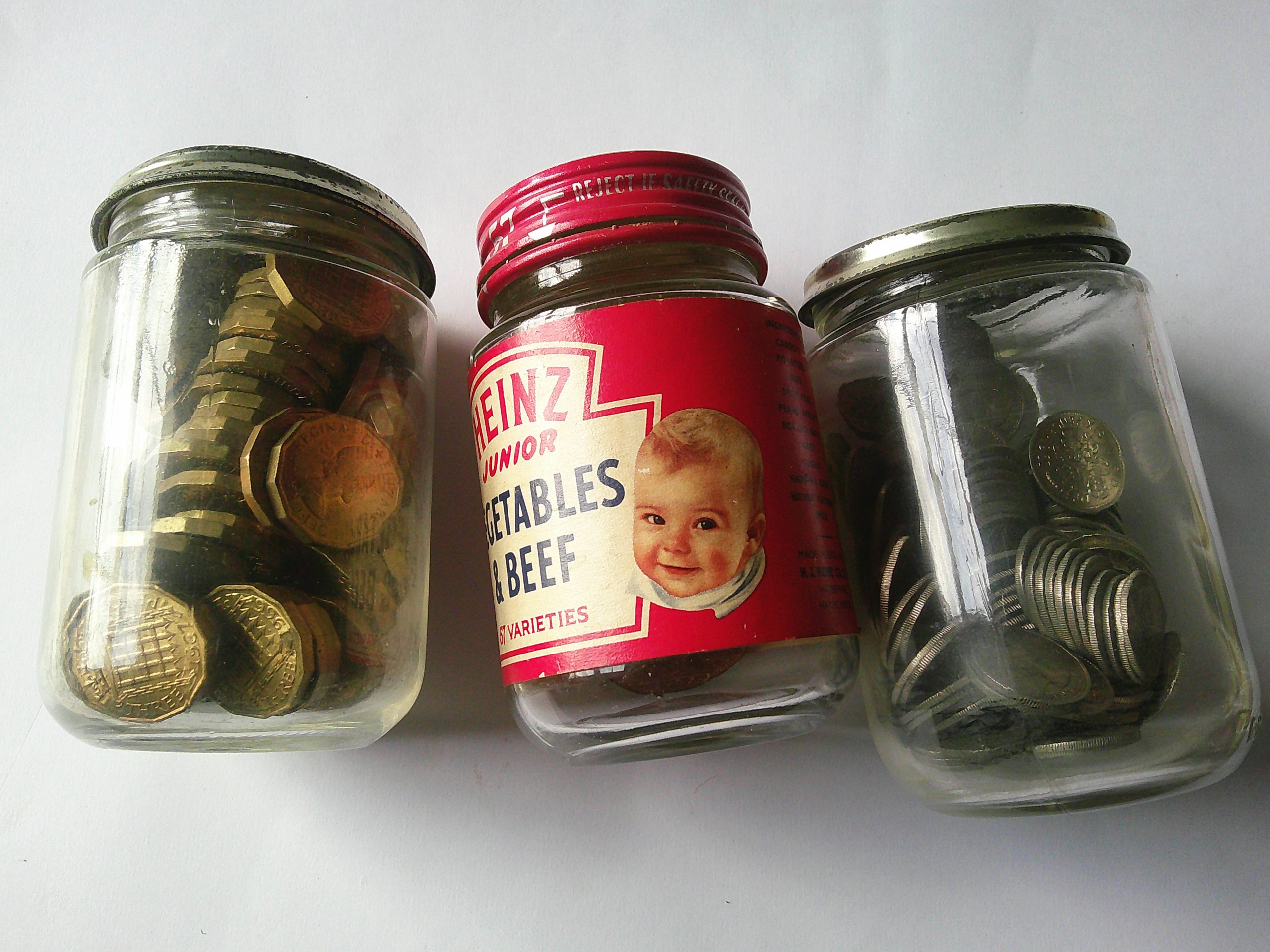
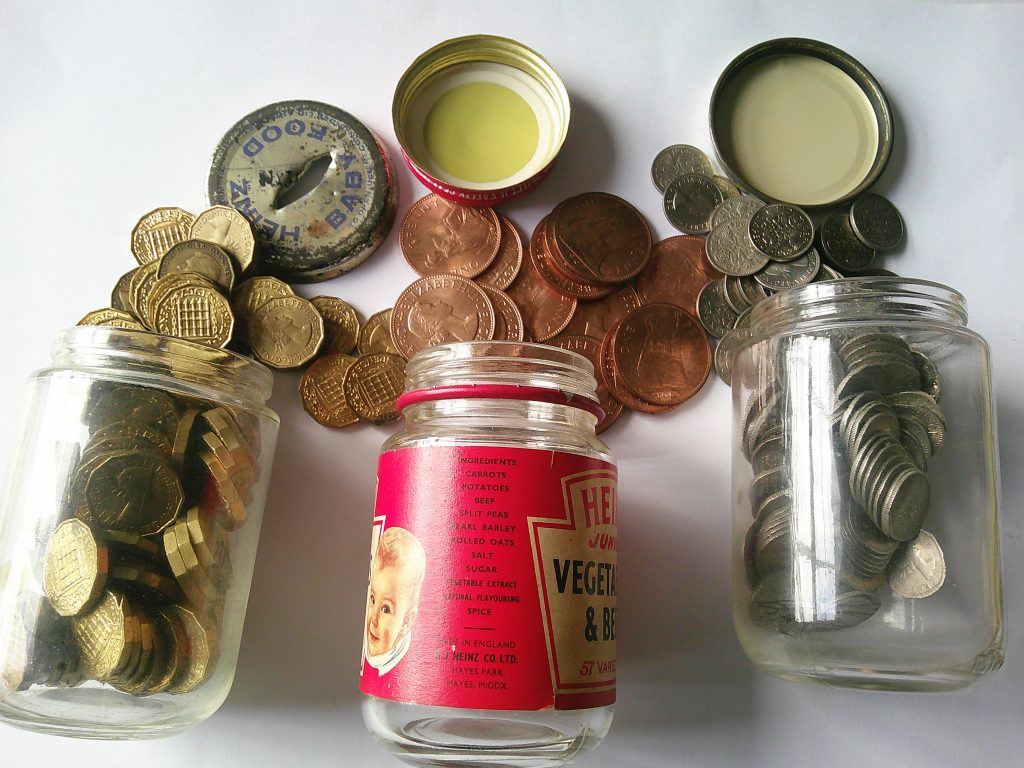
Baby food jars usually hold something counted in spoonfuls. These three hold something counted in pennies.
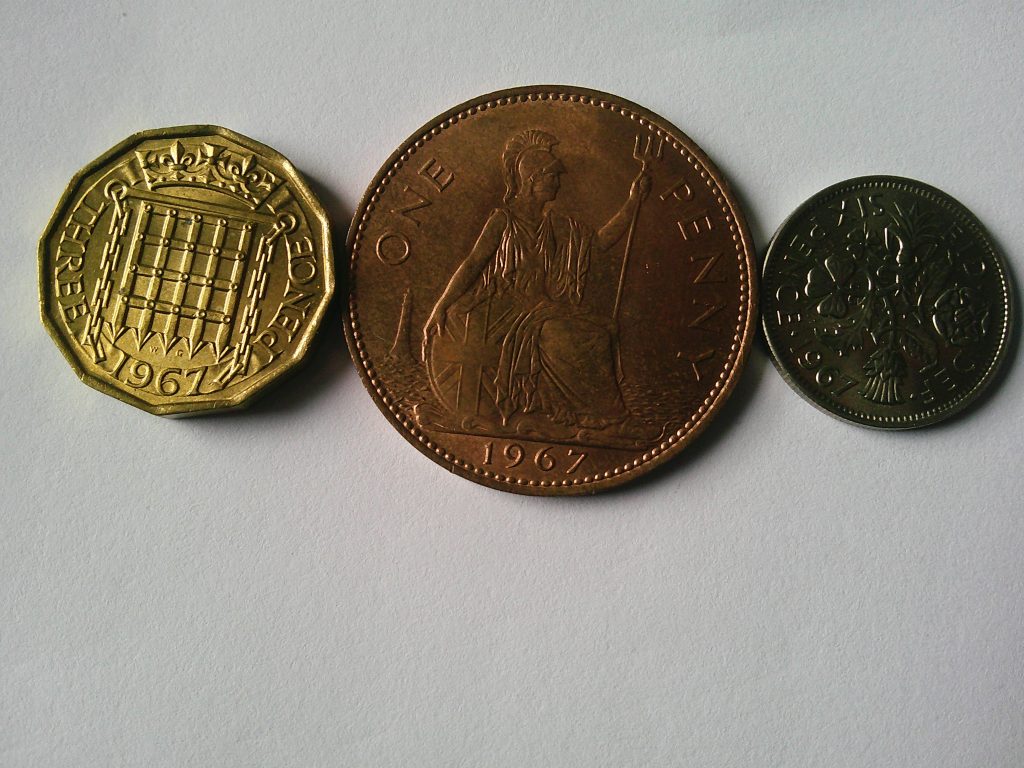
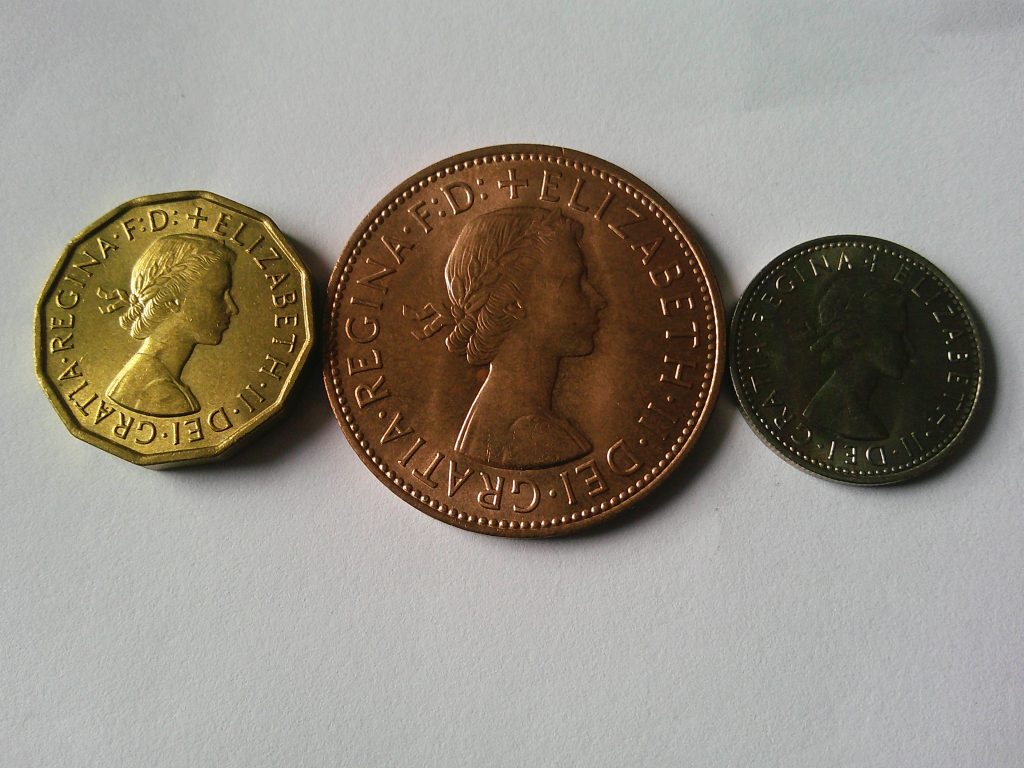
Their contents are a small hoard of British coins, all dated 1967 and in near-mint condition. There’s no great fortune here, but there is a lovely little snapshot of everyday money on the brink of change.
Britain still reckoned in pounds, shillings and pence when these coins were made. The first decimal 5p and 10p pieces arrived the following year, circulating alongside the familiar shillings and florins. Decimal Day itself came on 15 February 1971, when the pound officially became 100 new pence. For anyone who remembers the old money, coins like these can bring back the business of spending it: counting out change, saving pocket money and working out what a handful of pennies might buy.
Yet this particular handful raises another question. Why 1967? Perhaps someone deliberately put aside examples of the old currency as decimalisation approached. Perhaps the date had a personal significance. Without knowing who filled the jars, we can only speculate. That small unanswered question is part of their appeal.
Then there are the containers themselves. Three ordinary glass baby food jars, given a second job as makeshift money boxes. Whoever chose them probably wasn’t thinking about how a collector might regard the whole arrangement decades later. That’s often where the pleasure of collecting lies. An everyday object survives, its original purpose changes, and suddenly there’s a story to investigate.
At Charing Cross Collectors’ Market, even a modest collection can give you plenty to ponder.