
Month: July 2025
Mourning in Miniature

The Victorians were fond of mourning memorabilia, but even by those standards, this piece is peculiar. At first glance, it’s a miniature pocket watch, fixed forever at 10:07. Flip it over and you’ll find a photographic portrait of Queen Victoria herself.
Why 10:07? That’s the mystery. Official records confirm that Queen Victoria died at 6.30pm on 22 January 1901. One theory suggests this locket was made to mark the announcement of her passing in another part of the Empire, where the news reached them some hours later.
Adding to the poignancy is a glass medallion of Edward VII, complete with a black mourning ribbon, and two enamel shamrock brooches marked with crowned initials: E and A. “The Queen is dead. Long live the King” is the theme connecting every piece.
Whether these were worn together as tokens of loyalty or simply collected over time, they form a strange, touching little archive of one monarch’s end and another’s beginning.


Plastic Fantastic? Collecting Phonecards
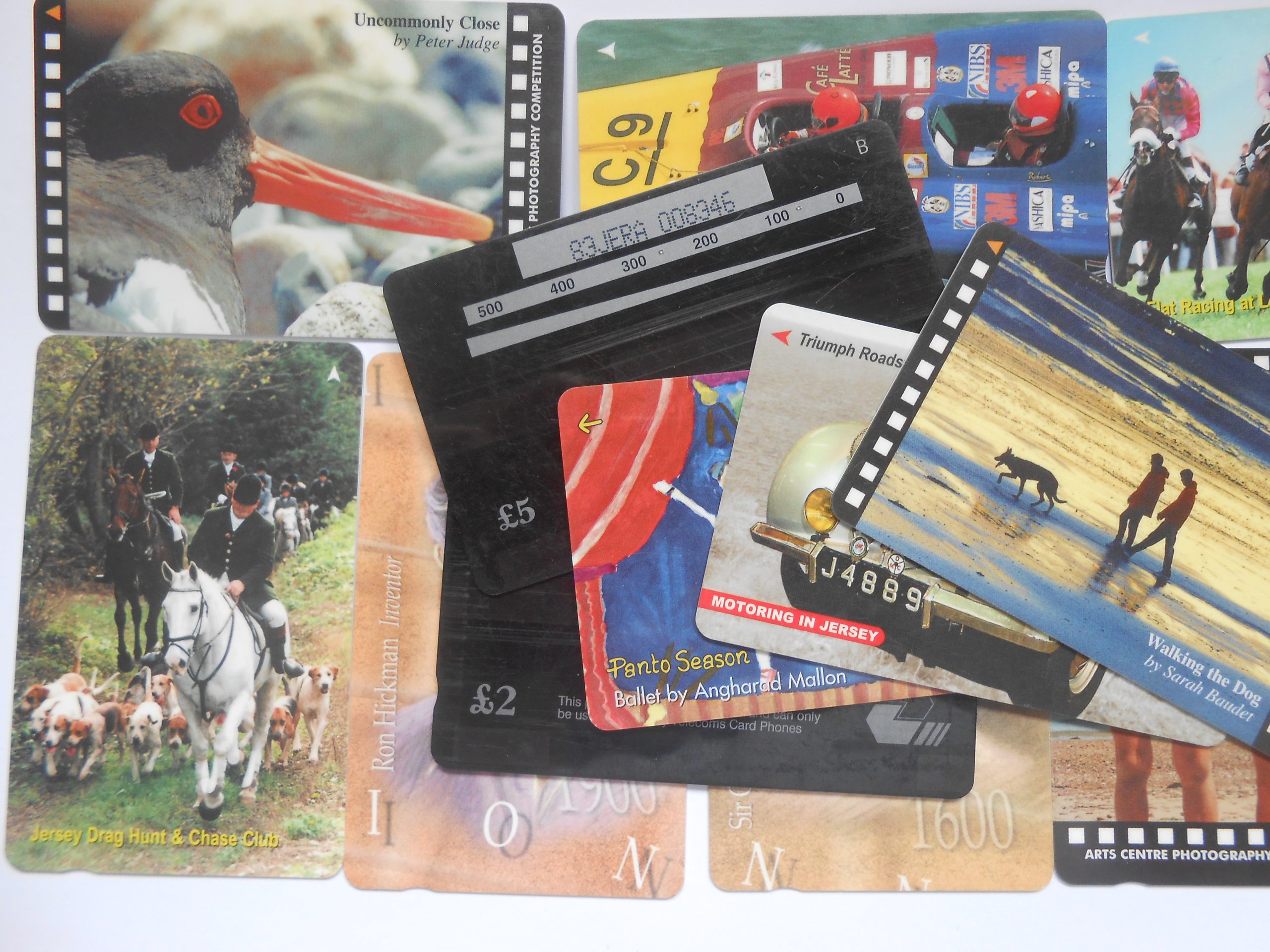
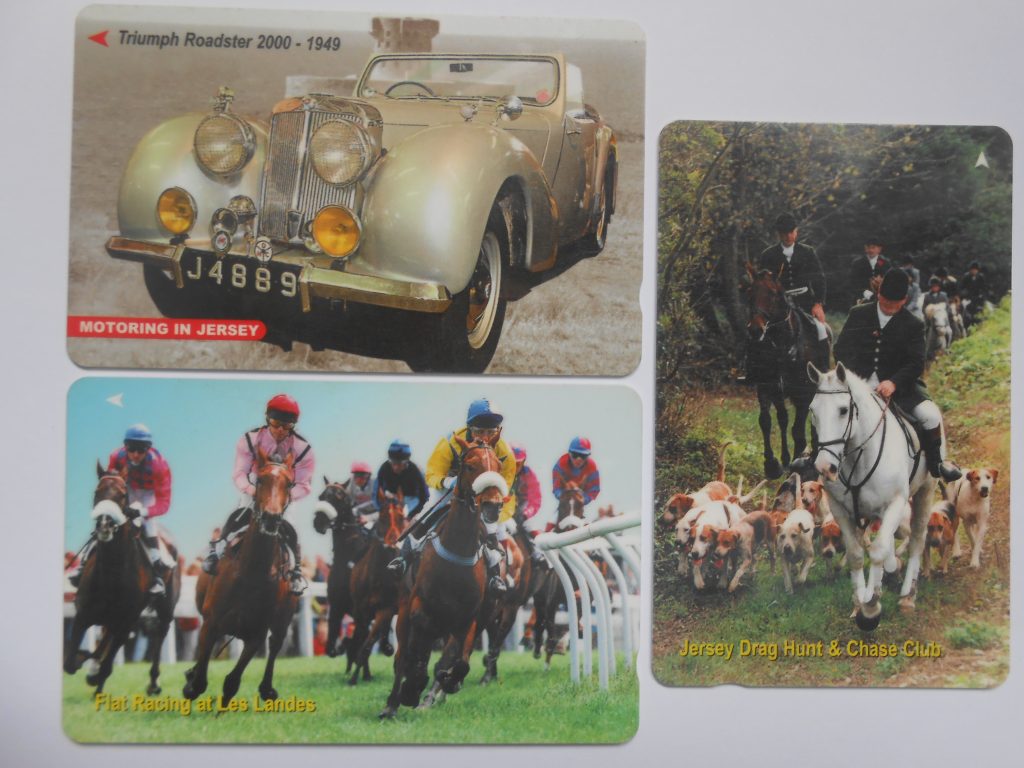
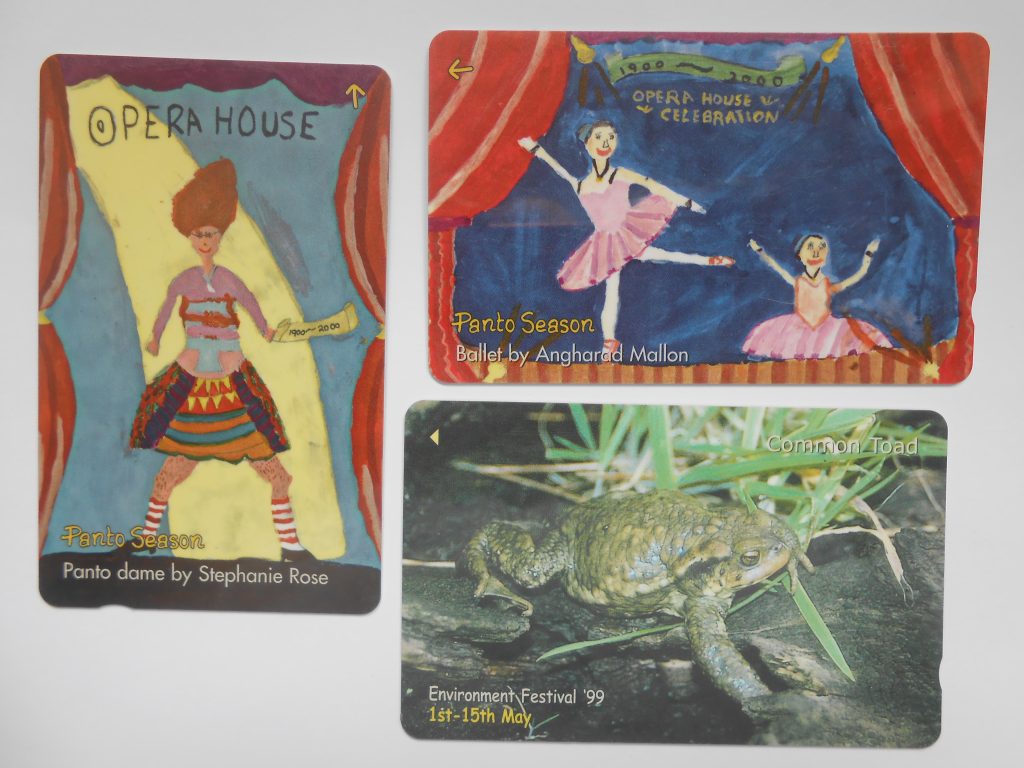
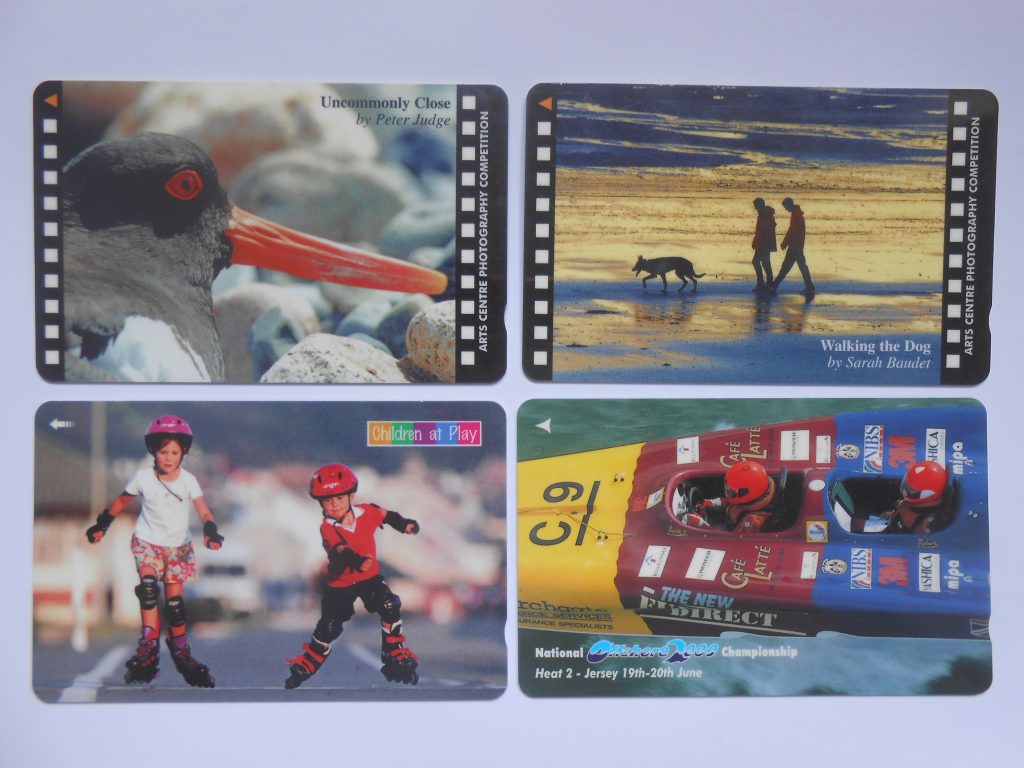
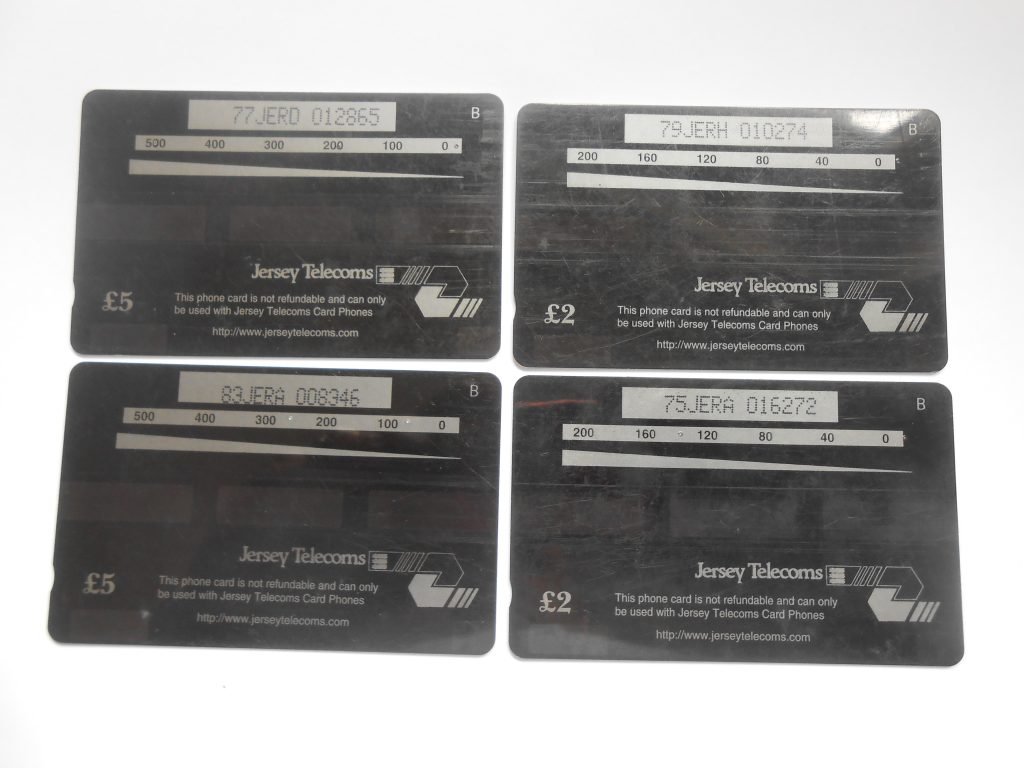
Once destined for the bin, phonecards are having something of a quiet revival. Right now, with some dealers offering discounts of up to 90%, there’s probably never been a better time to start a collection – especially if you’re the type who prefers a neatly completed set where someone else has already done the hard work.
These short-lived prepayment cards were issued by Jersey Telecom between 1999 and 2000, often with a face value of £2 or £5. Beyond their utility, they were used to promote local events, celebrate Channel Islands life, and showcase the work of local photographers, artists and schoolchildren.
No longer in circulation, they now survive in the hands of collectors, dealers and enthusiast groups – offering a nostalgic glimpse into a very specific slice of late-‘90s island life.
And if you think phonecard collecting is just a quaint hobby, think again. According to the Guinness Book of Records, the highest price paid for a phonecard is believed to be £28,000 (for Japan’s first card, sold in 1992). Private sales may have exceeded that.
Proof, if you needed it, that this little bit of plastic might just be worth more than pocket change!
The Coin of Coins

First impression? A hefty piece of silver bearing the date 1780 and a Latin edge inscription – a familiar sight in countless collections around the world.
This is the Maria Theresa Thaler, first minted in Austria between 1740 and 1780. It became the trusted silver currency of the Holy Roman Empire and its dominions, eventually rising to global trade coin status.
After Maria Theresa’s death in 1780, the date on the coin froze in time – and yet production never stopped. It’s estimated that by 2000, over 389 million pieces had been struck. That number’s still climbing today, with the Vienna Mint still producing them.
And it’s not just Austria. Sixteen different mints across Europe have churned them out over the centuries – including Birmingham (around1850) and even London’s Royal Mint, which produced them right up to 1975.
What’s less well known is how far the Thaler travelled. For over a century, it was the preferred trade currency across large parts of Africa and the Middle East. In Ethiopia, it was accepted as legal tender well into the 20th century, and in the Arabian Peninsula, it was prized not just for its silver but for its consistent weight and trusted purity. Local jewellery was even crafted from hoarded Thalers – a coin worn as much as it was spent.
With such volume, a standard 1780-dated coin holds bullion value – that’s about £20 in today’s silver. Even mint examples rarely exceed £30. But if you stumble across a pre-1780 original? That’s a different matter – potentially worth around £700.
You might need to sort through a few hundred million to find one… or just ask your friendly dealer at Charing Cross Market.

A Clasp Act

This intricate silver buckle may look like costume jewellery to the untrained eye, but it’s anything but. With no hinge or pin fittings, it was likely sewn onto the front of a heavy cloak or cape, sitting proudly below the throat. Think ceremonial wear, not everyday garb.
French silver before 1838 carried multiple control marks, unlike the simpler two-mark system introduced later. Here, there are seven in total. Look closely and you’ll spot the head of Hercules, the head of Mercury with a number beside it, a crab, and an ant within a triangle, among others. These aren’t decorative details – they’re the language of French assay offices, used to authenticate silver purity and trace its origin.
The number and type of marks suggest this was made in the late 1700s, before the French Revolution tore up many old systems, including those governing silver production. Silver of this weight and workmanship wouldn’t have belonged to a commoner. This was prestige on a chainstitch.
Surviving pieces from this period are rare, especially ones with such a full set of early marks intact. For collectors, this isn’t just a buckle. It’s a document in metal – one that’s managed to sidestep both revolution and the melting pot.

